

Written by PRJCTFC Journalist – Rohat Zirek
Unlike last season, when Inter cruised to the title, this season’s title race is far more intense. Gattuso’s Lazio, who have enjoyed a remarkable resurgence under him, Gasperini’s Roma, Chivu’s Inter, Amorim’s Milan and Fabregas’ Como are all in the mix at the top, separated by only small margins.
ABOUT THE RESEARCH
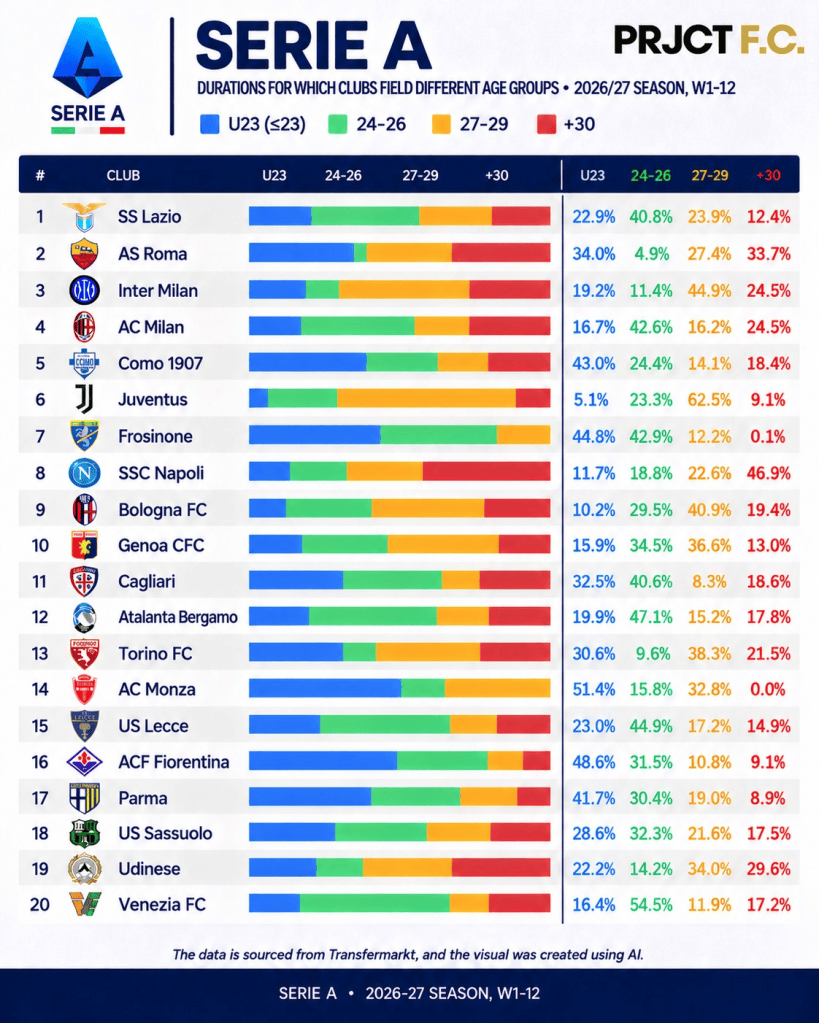
In this study, using Transfermarkt data, the minutes given by each Serie A team so far this season to players in specific age groups (U23, 24-26, 27-29 and 30+) were collected and calculated as a proportion of the total minutes given to all players, in order to show how much each team relies on players in each age bracket.
Squad average ages were not taken into account, as some squads contain a considerable number of young players who barely get any minutes. Their mere presence in the squad brings the average age down, which could give the misleading impression that the team gives young players more opportunities than it actually does.
MINUTES GIVEN BY SERIE A TEAMS BY AGE GROUP
This chart shows the extent to which each Serie A team relies on each age group.
Teams are ranked according to their position in the league table. The share of minutes given to each age group is shown both in the analytical bars and in numerical values.
JUVENTUS AND NAPOLI GIVE THE LEAST TOTAL MINUTES TO THE U23 AND 24-26 AGE GROUPS
Juventus (28.4%) and Napoli (30.5%), undoubtedly two of Italy’s biggest clubs, are the two teams to have given the least total minutes to the U23 and 24-26 age groups so far this season. They are also the two lowest-placed teams among Italy’s biggest clubs in the table.
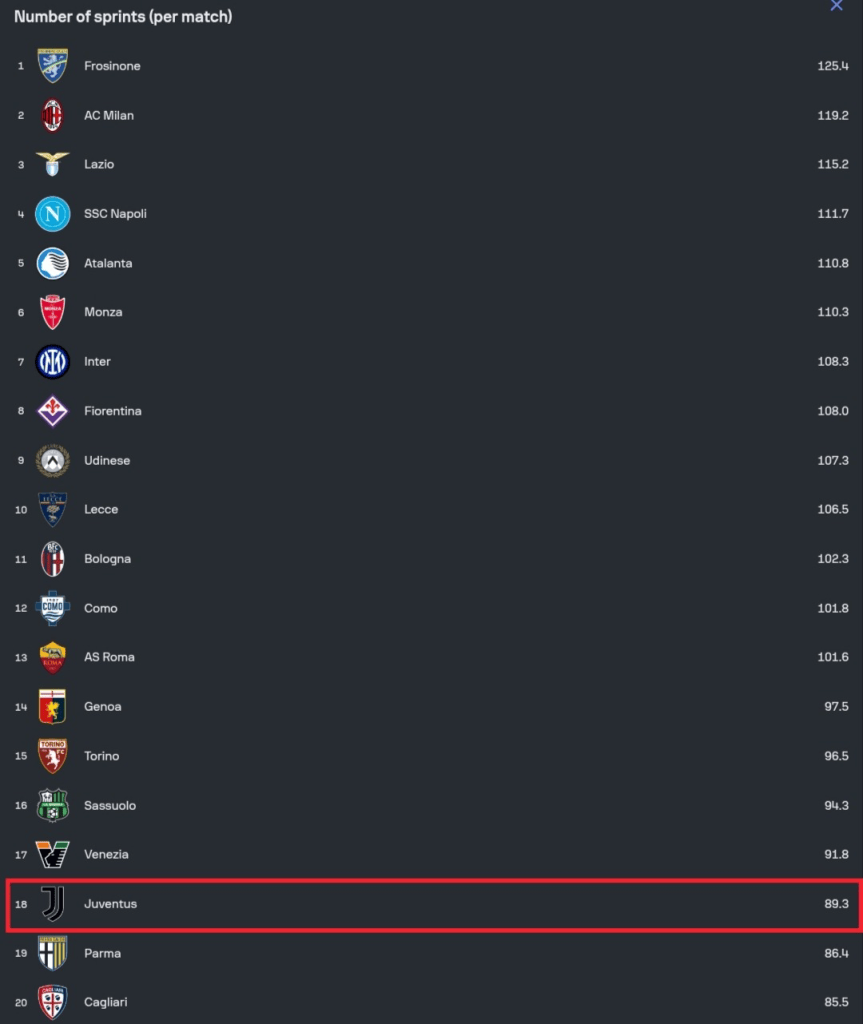
Luciano Spalletti’s Juventus are currently 18th in Serie A for sprints per match, according to Sofascore data, meaning they rank third from bottom. Alongside that statistic, they have picked up just 7 points (1.17 per game) from their 6 away matches so far this season (away games are slightly more physically demanding). From this, we can infer that Juventus giving few opportunities to young players has negatively affected the team’s physical capacity, and considering they are 11 points behind the league leaders, it has also negatively impacted their performances, particularly away from home.
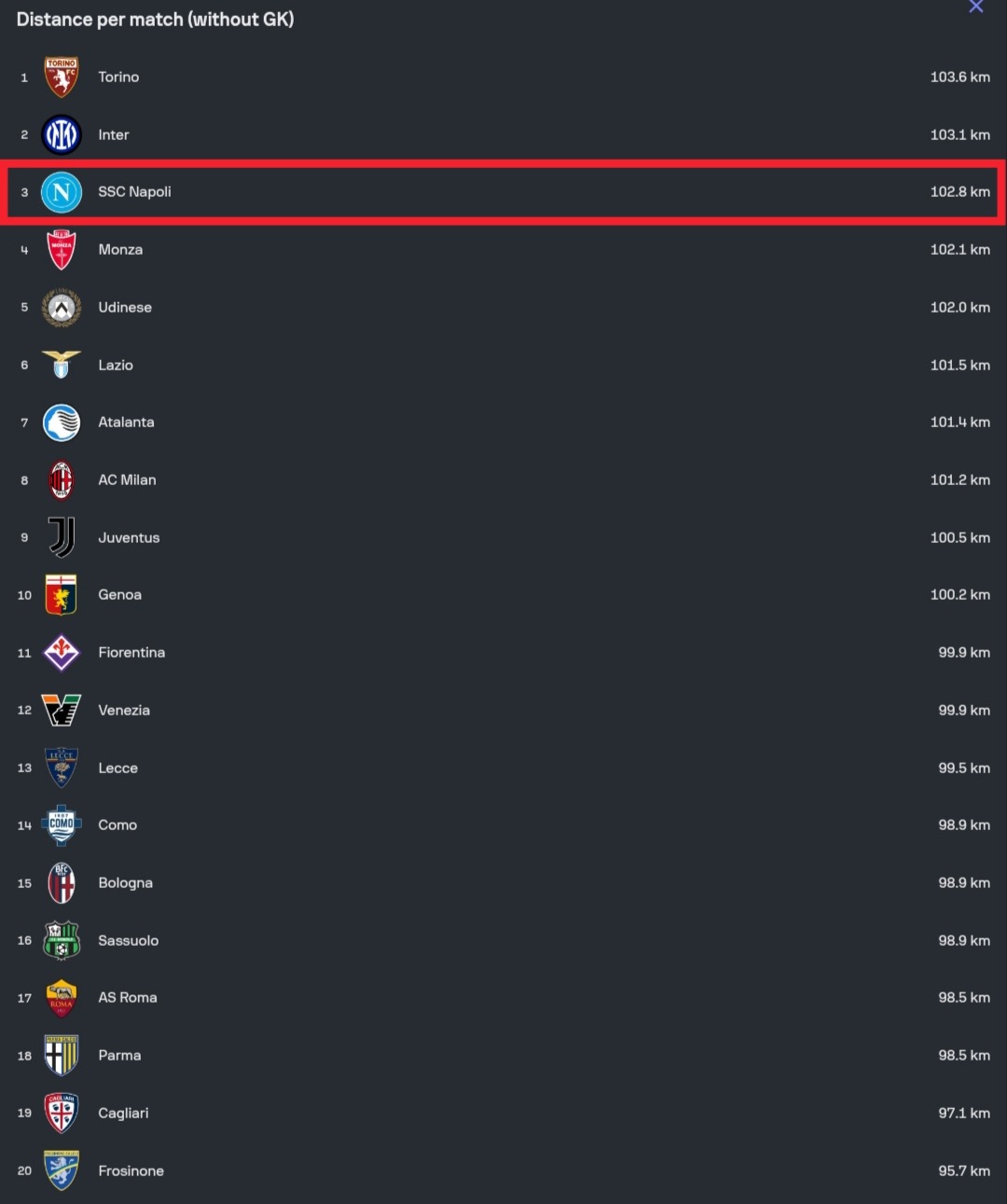
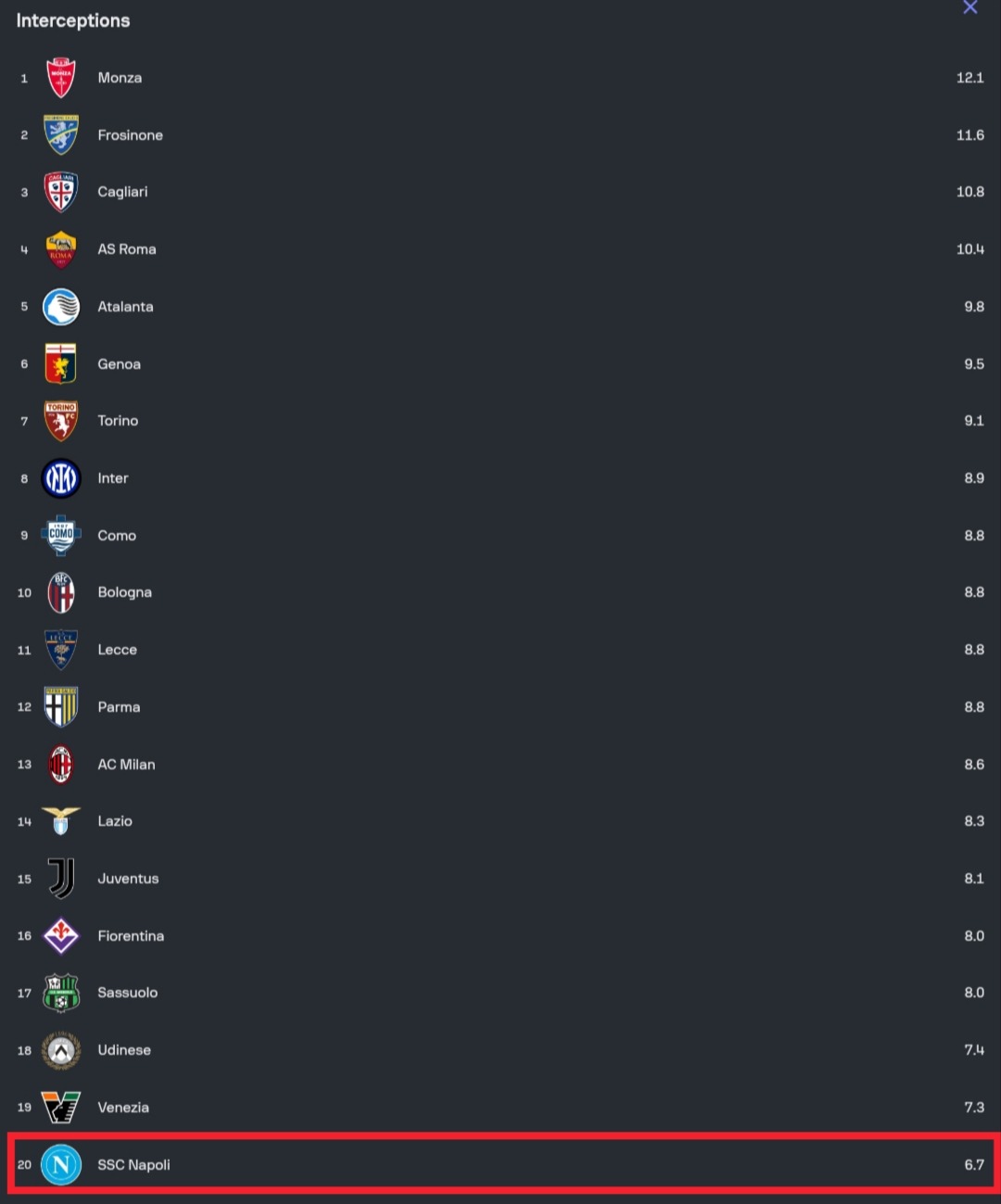
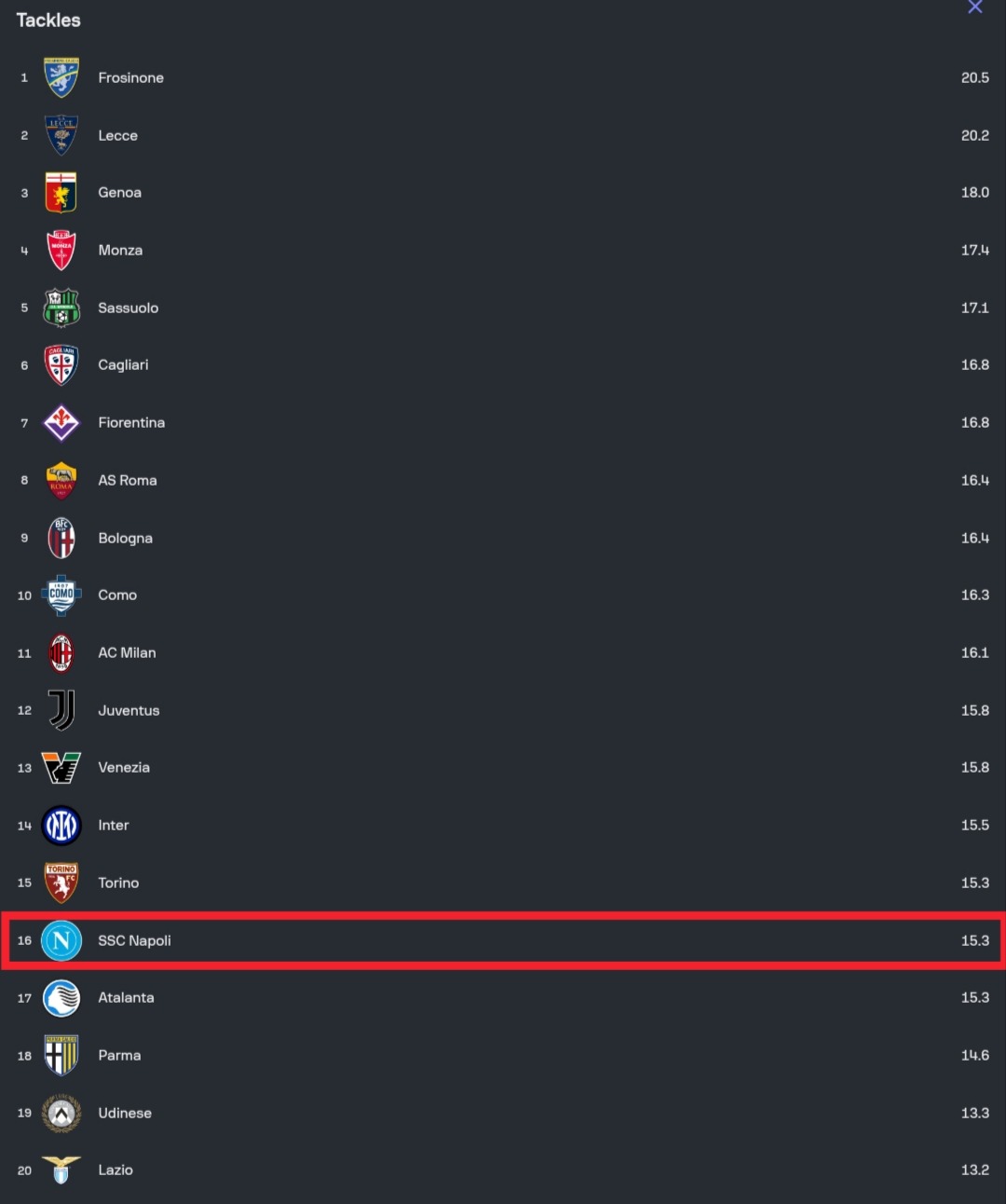
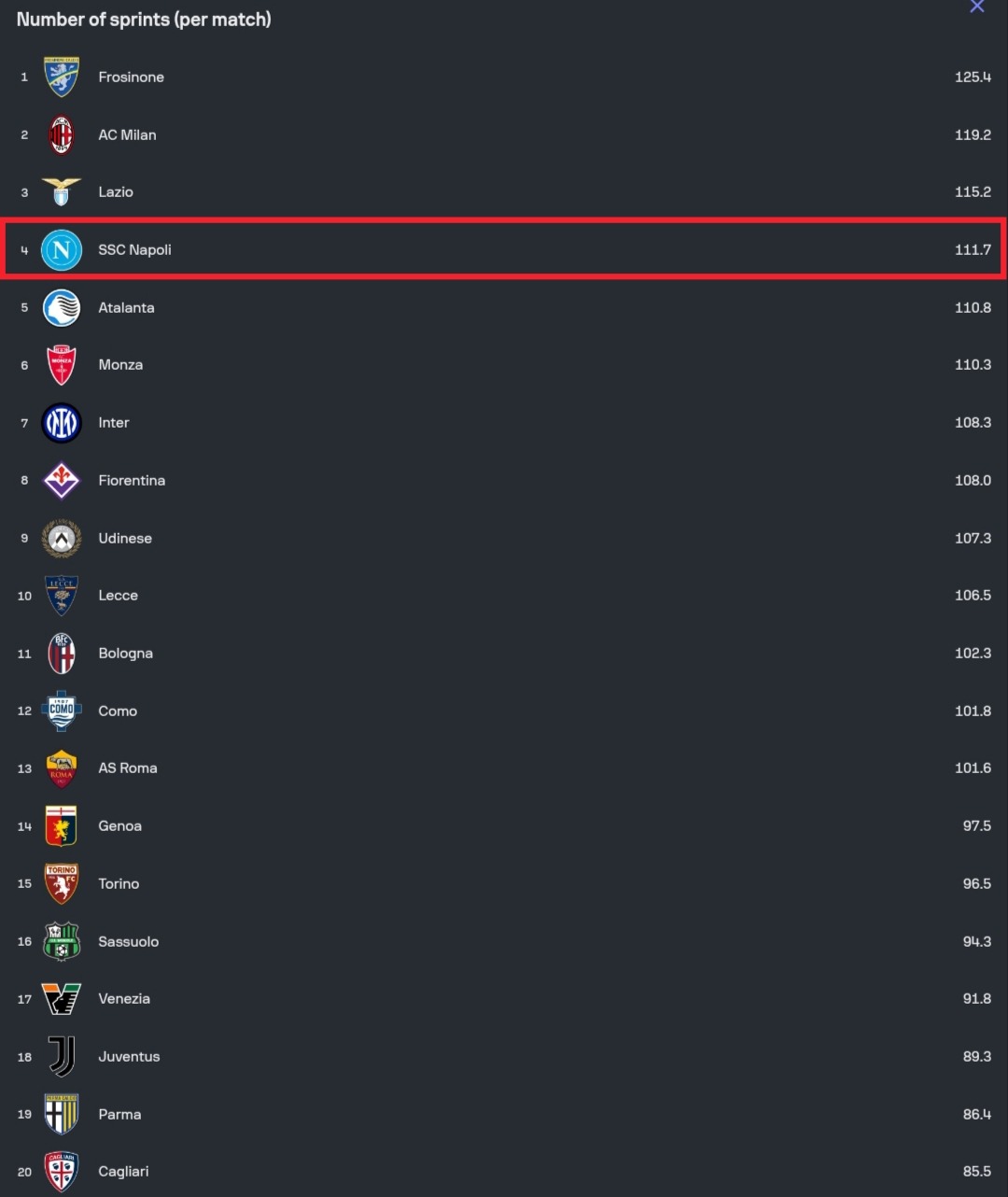
Napoli, coached by Massimiliano Allegri, whose job is under threat, are currently 3rd in Serie A for distance covered per match excluding goalkeepers, and 4th for sprints, according to Sofascore data.
These figures might suggest that Napoli are not in bad shape physically, but that would be misleading. This is because Napoli are unable to give meaning to the distance they cover and the sprints they make, due to the fact that most of the players given minutes are not young. Despite ranking near the top for distance covered and sprints, and despite not having that much possession (52.3% on average), Napoli rank 16th (fourth from bottom) in the league for ball recoveries and are the team with the fewest interceptions in the league, while their duel success rate is also 48.4% (below average). These statistics show that, due to their physical issues, Napoli are unable to make their distance covered and sprint numbers count.
MOST CLUBS WITH SMALLER BUDGETS ARE BRAVE WHEN IT COMES TO PLAYING YOUNG PLAYERS
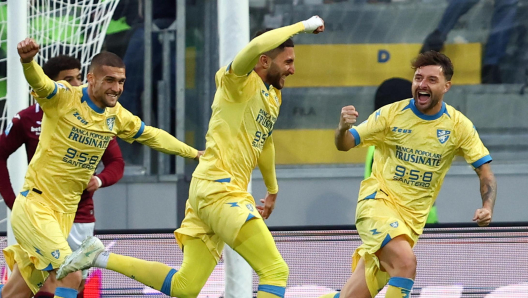
Looking at the table, it is clear that many clubs with smaller budgets than the league’s giants are being brave in this regard. Frosinone, Cagliari, AC Monza, Lecce, Parma and Sassuolo have all given significant minutes to both the U23 and 24-26 age categories. In fact, newly-promoted sides Frosinone and AC Monza have given an absurdly low share of minutes to players aged 30+, just 0.1% and 0.0% respectively.
Frosinone sporting director Renzo Castagnini had already responded in clear terms on 8 June to Sport Mediaset’s question, after promotion to Serie A, about whether they would sign ageing stars like Cremonese or Pisa, outlining their rejuvenation policy: “We will not do that. If a player is good, the age on his ID card does not matter. We must try to improve by investing in young, talented and motivated players. This club has a clear philosophy and we will not change it just because we have been promoted to Serie A.”
AC Monza’s Croatian head coach Ivan Jurić, appointed in the summer, also said at his unveiling press conference on 31 July: “I came here because the new Monza’s ideas are very clear: to focus on young players with potential that we can work a lot on. The idea of looking for young players with a large margin for improvement is very fascinating; it is difficult to do in Italy, but we will try.”

CLUBS THAT GIVE YOUNG PLAYERS A LOT OF OPPORTUNITIES ARE EITHER AT THE TOP OR THE BOTTOM
Looking at the chart, with the exception of Cagliari, the teams in 8th to 13th place do not give young players many minutes. That is because the teams that give young players a lot of minutes are either near the bottom or near the top. The teams at the top are Lazio, Como and Frosinone, while the teams at the bottom are Monza, Fiorentina, Parma, Sassuolo and Venezia.
Serie A is generally a league with high tactical intensity, where players are given little freedom on the pitch. For that reason, it is not a very good league for the development of young players either.
However, if tactical intensity and the freedom given to players on the pitch are calibrated correctly, young players can actually make a serious contribution to their teams in this league, because with the tempo not being high, the lack of dynamism of young players who struggle in that regard can be masked, while highly dynamic young players can showcase it very strongly. For these reasons, teams that crank up the tactical intensity and restrict the freedom given to players (more than half of the teams in the league do this) get very little out of young players, while teams that strike the right balance get a great deal out of them. In that sense, we can say Serie A is not really a league with much middle ground on this issue.
Written by PRJCTFC Journalist – Rohat Zirek





Leave a Reply